It's almost Fall and...
 |
| A dust storm that hit us here in the park a few days ago. |
But they have the real deal down in Chandler, AZ. I would not want to have been there for this event!
 |
| Aerial photo of a dust storm in Chandler, AZ (Phoenix area) on 24 Aug 2025 |
Meanwhile, back at the ranch, I managed a couple 'typical' sunrise and sunset photos of what we enjoy here at SKP Saguaro Co-op.
 |
| Sunrise over the Dragoon range (hidden by the trees). A frequent morning sight during summer on my morning walk. |
I don't get too many of these morning shots when the sun is rising over the Dragoons. Very often there's so much cloud cover on the horizon no light can brighten the morning sky. Or alternately there's no moisture to create the clouds needed for subject material. But during monsoon season from 1 July thru about 30 September (a disappointment this year!) there's half a chance of something interesting.
 |
| And here's a morning shot looking South in the direction of St David. |
As inferred above, monsoons never really happened this year (again!). It's the first week of September as I type this and we've had all of 0.76" of rain since 1 July. 1 July is the official start of monsoon season here in Arizona. Very disappointing and a predictor of water issues to come. In a typical summer season I expect the total rain fall here in Benson to be on the order of 4.5" from 1 July thru the end of September.
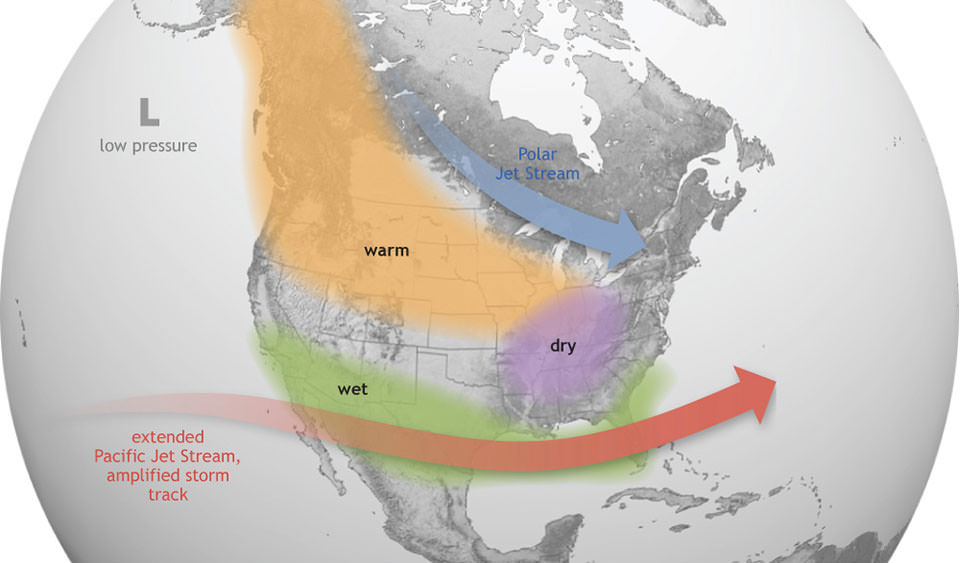
As background, this year is neither a 'La Niña' nor an 'El Niño' year. These are the names of the equatorial ocean current flow which drives the weather patterns in the US summer from the Pacific coast. These Pacific equatorial current temperatures greatly influences weather patterns worldwide.
Below is the El Niño weather system (wind direction and temps)...
...and the opposing La Niña weather system:
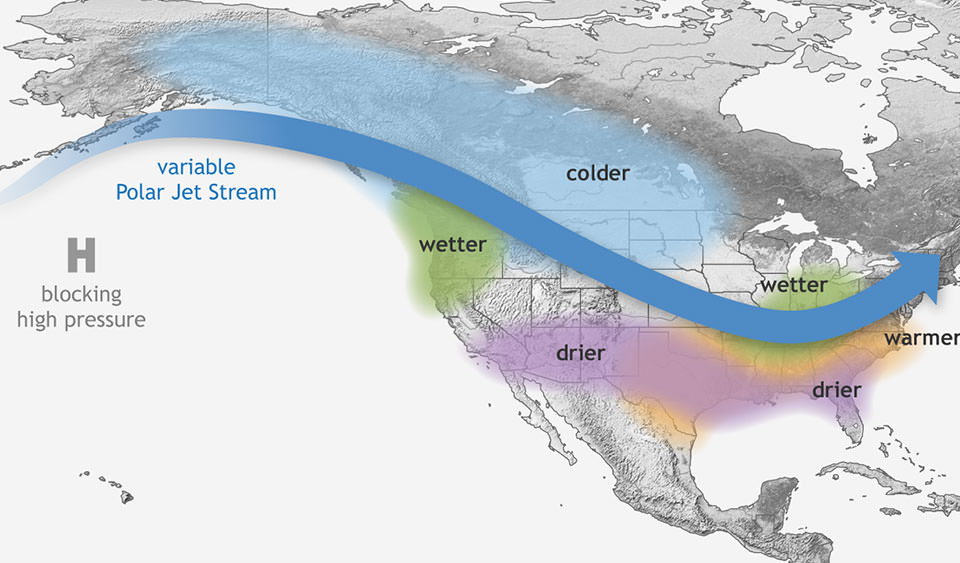
And we (the world) are in weather-transition as these ocean currents change.
In an earlier post I included a link related to NOAA explanation of these weather systems. For the sake of completeness here it is again:
NOAA explanation of El Niño and La Niña weather systems.
If you are blessed with the nerd gene, you too may find it a fascinating read.


Comments
Post a Comment